... / 2026 State of... / SWOT Analysis: Opportunities
2026 State of the Industry Report from Make Startups Institute
4. SWOT Analysis: Opportunities
The opportunities identified in the responses suggest that the field is entering a more mature and strategically focused phase. New technologies, particularly AI, are expanding the tools available to both founders and support organizations, while new approaches to capital formation and ecosystem coordination offer ways to address long-standing structural gaps. Respondents also point to growing alignment between entrepreneurship, workforce development, and sector strategy, opening new pathways for funding and institutional support. At the same time, expanding participation across underserved communities, rural regions, and global networks represents one of the field’s most powerful growth opportunities. Together, these signals suggest that the next phase of ecosystem building will be defined less by launching new programs and more by strengthening the systems that help diverse founders move from ideas to sustainable companies.
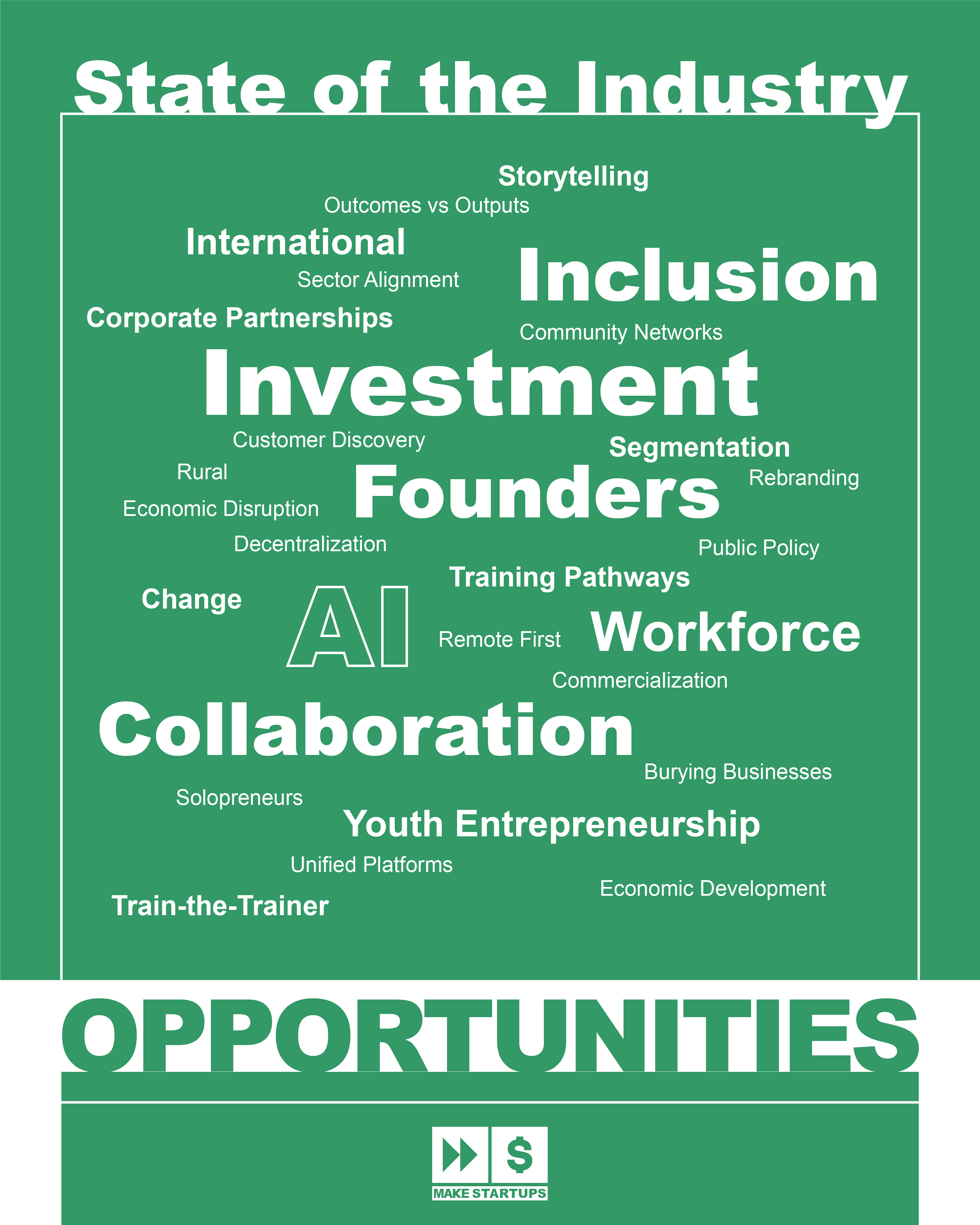
AI can strengthen both startups and the support infrastructure around them
Respondents do not see AI only as a venture category. They also see it as infrastructure for research, validation, education, founder support, and ecosystem coordination. The opportunity is largest where AI expands access rather than becoming another gatekeeping layer.
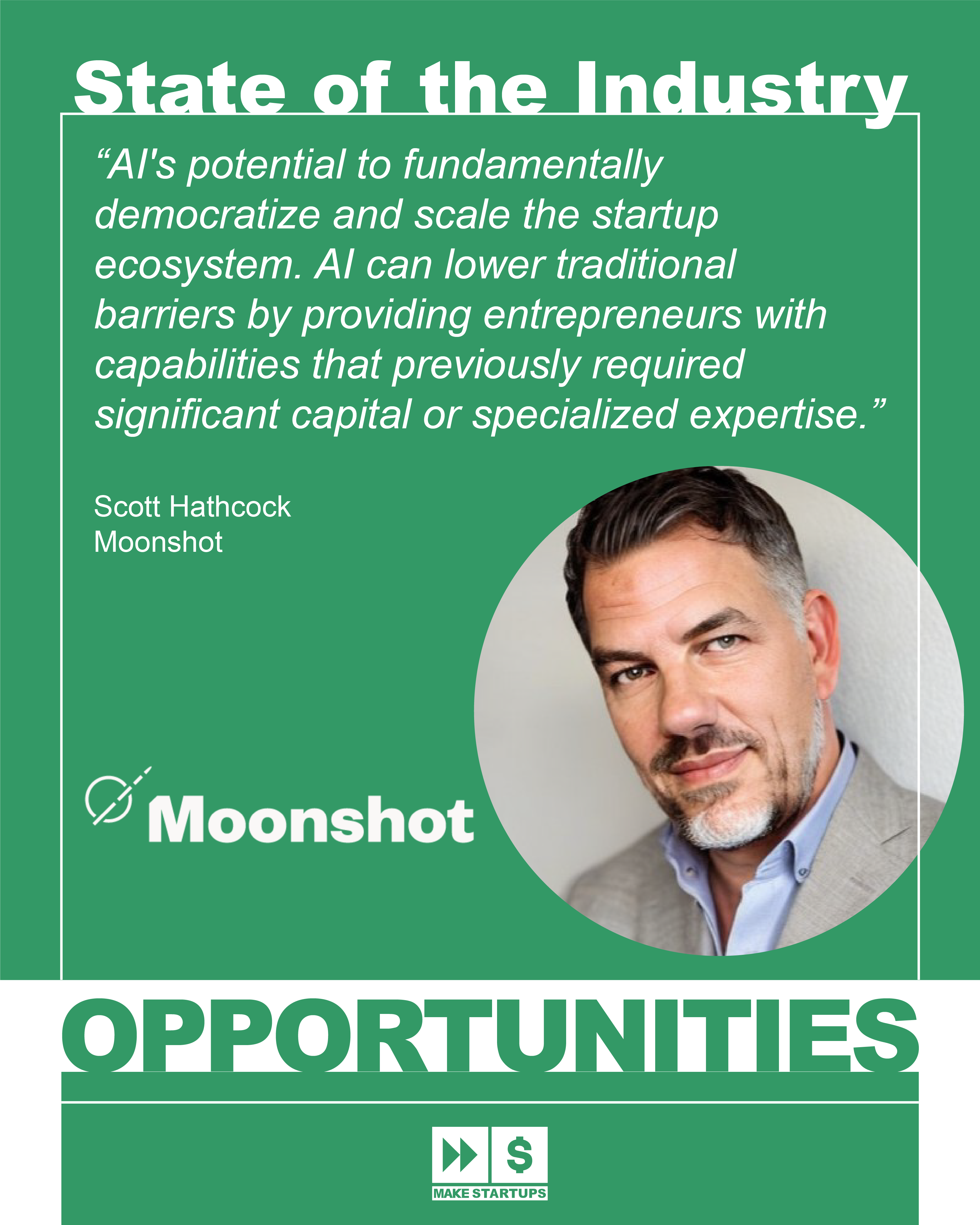
The field can build better capital systems rather than simply complain about capital scarcity
A recurring opportunity is the design of flexible capital stacks: community investment funds, clearer capital pathways, investment-readiness support, and more stage-appropriate financing options for different kinds of founders.
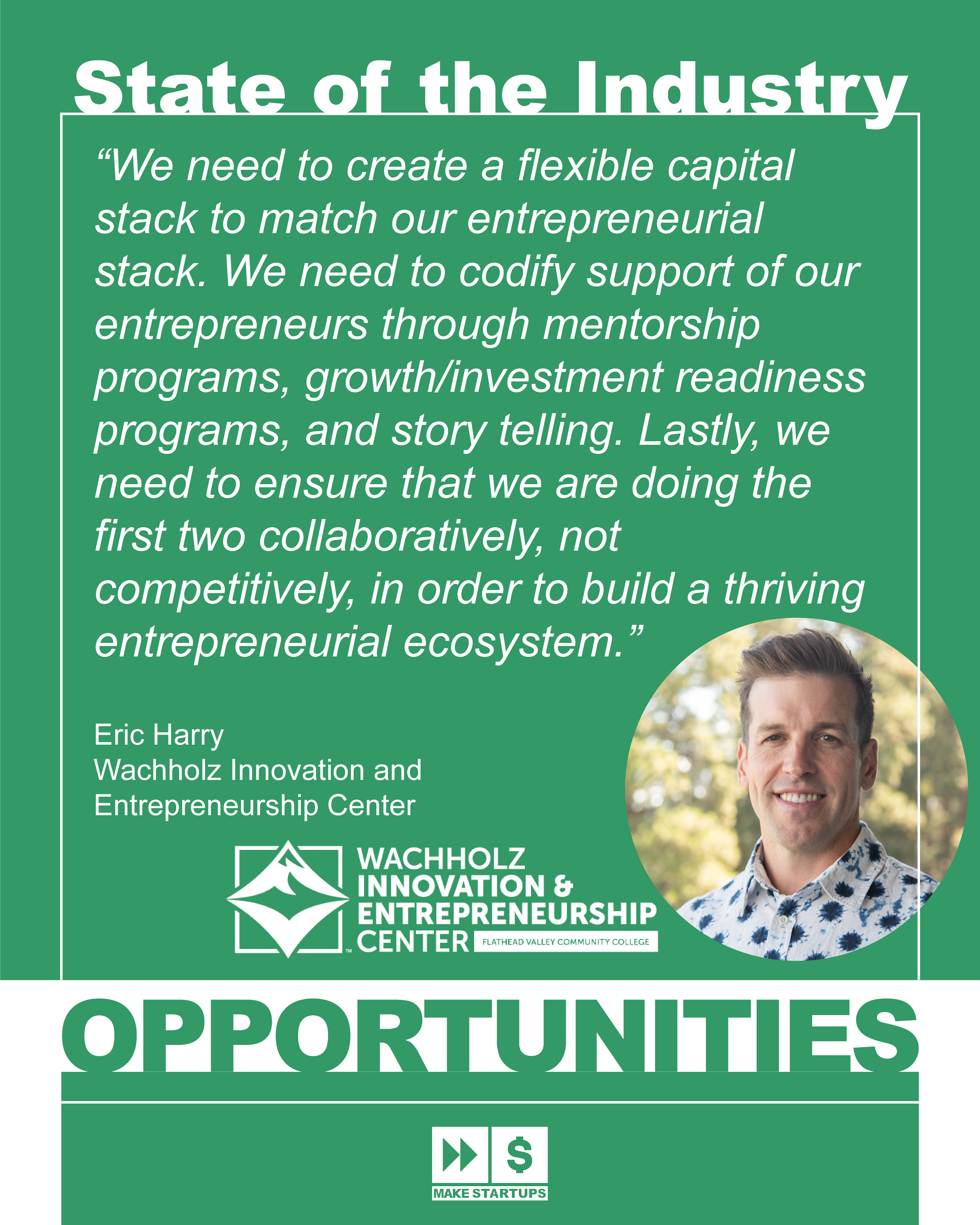
Ecosystems can move from convening to operational coordination
Many responses point toward a more mature phase of ecosystem building: shared playbooks, better data, standardized handoffs, faculty and mentor networks, and clearer founder pathways from exposure to traction to capital.
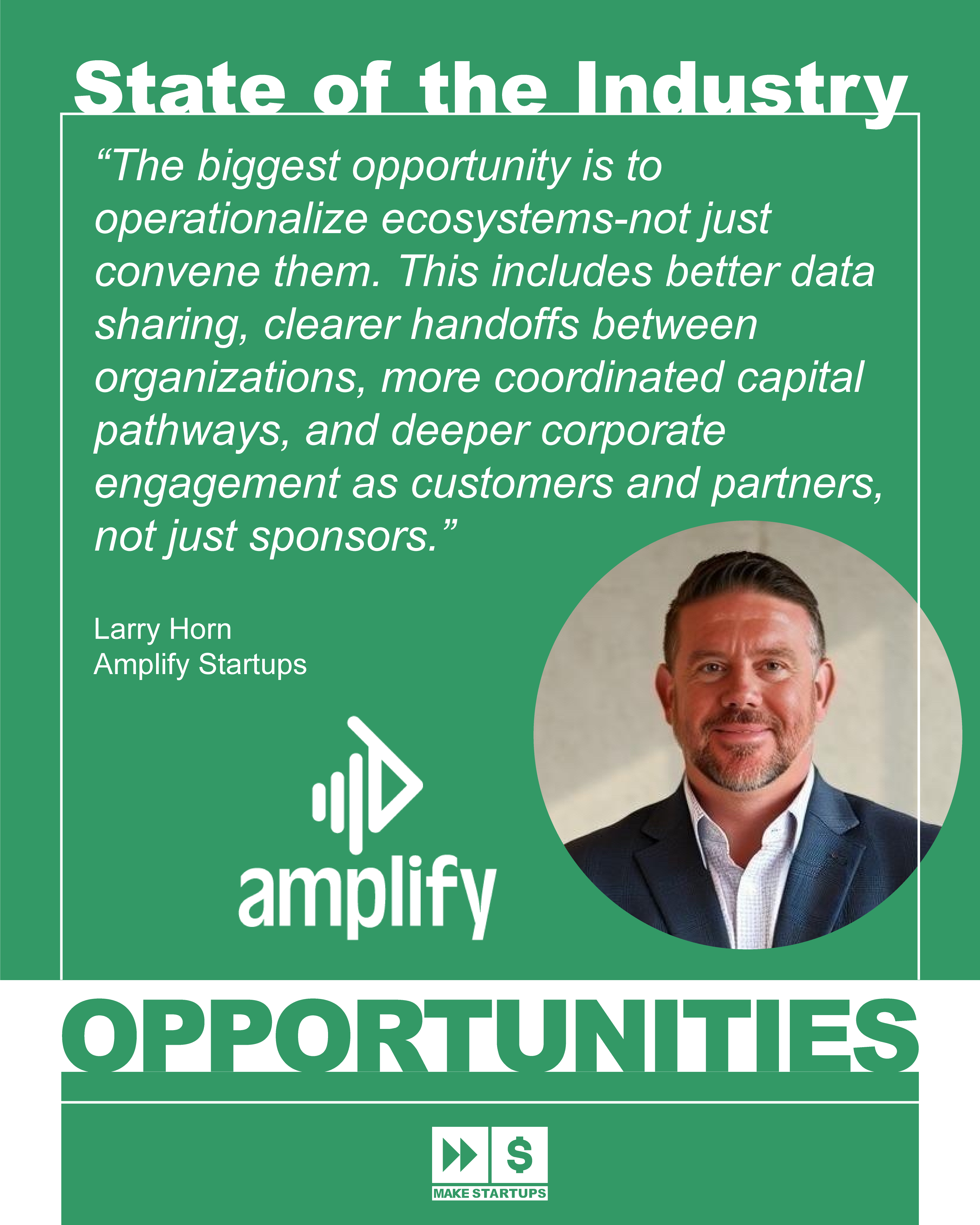
Entrepreneurship can be better aligned with workforce, education, and sector strategy
Respondents repeatedly connect entrepreneurship to workforce development, student pathways, commercialization, and industry clusters such as manufacturing, defense, logistics, agtech, energy, and creative industries. This is not only a program design opportunity. It is also a legitimacy and funding opportunity.
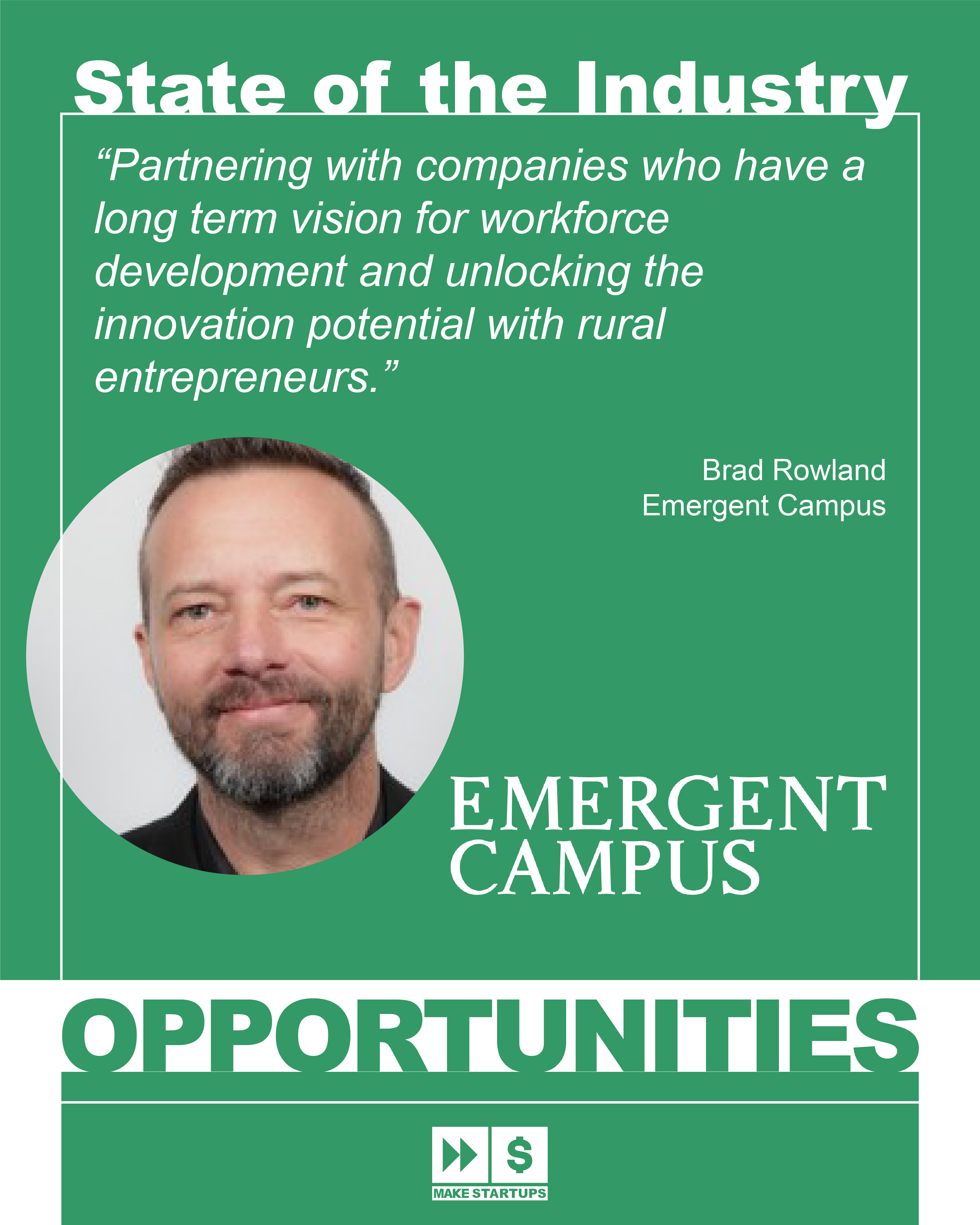
Inclusion and cross-border connectivity can become growth strategies rather than side initiatives
Several respondents point to underserved communities, rural regions, youth talent, solopreneurs, diaspora networks, and cross-border collaboration as major sources of untapped growth. That suggests the next wave of opportunity is likely to come from widening participation rather than recycling the same founder profile.
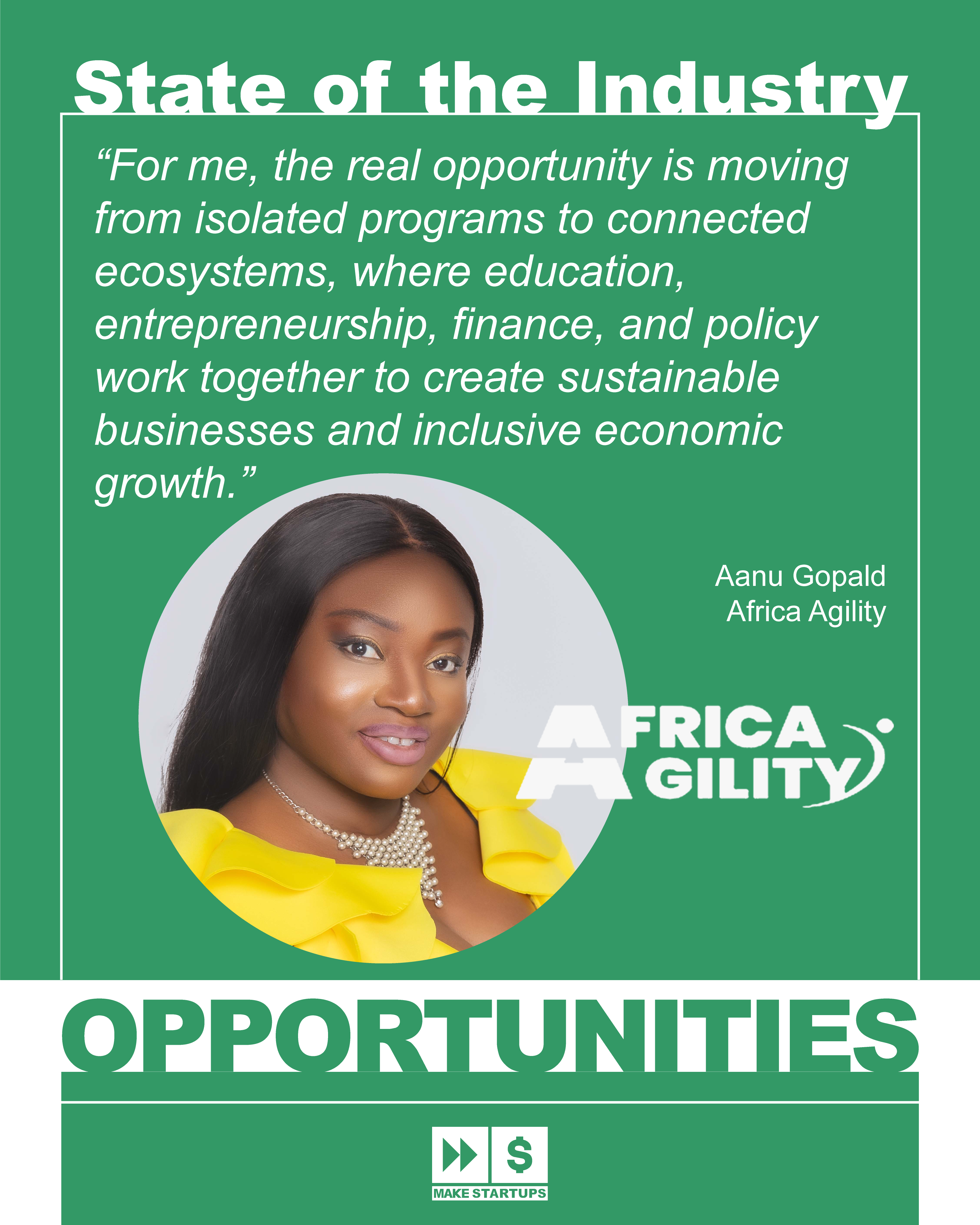
A summary of surveyed opportunities:
- AI can strengthen both startups and the support infrastructure around them
- The field can build better capital systems rather than simply complain about capital scarcity
- Ecosystems can move from convening to operational coordination
- Entrepreneurship can be better aligned with workforce, education, and sector strategy
- Inclusion and cross-border connectivity can become growth strategies rather than side initiatives
| Category | 2026 State of the Industry Report |
| Curriculum | all |
| Created | 2026/03/11 |
| Last Updated | 2026/03/11 |
| Content Details | |
| IMI Provider | CofounderOS |
| Published | Make Startups Institute |

|
|
- Executive Summary
- SWOT Analysis: Strengths
- SWOT Analysis: Weaknesses
- SWOT Analysis: Opportunities
- SWOT Analysis: Threats
- Strategic priorities for ESOs
- Conclusion and Additional ESO Insights
- Appendix A. Methodology and limitations
- Appendix B. Cross-quadrant evidence map
- Appendix C. Selected respondent excerpts
- Appendix D. Downloads and References
Make Startups Institute is using CofounderOS to help founders design, launch, and scale their businesses.
Financial aid and scholarship packages are available for most programs.